

How To Measure Your Windows For Curtains & Blinds
Choose Your Mount Type: Face Fit Or Recess Fit?
Recess Fit
Installed inside the window frame (architraves)
Face Fit
Installed on or above the architrave or window
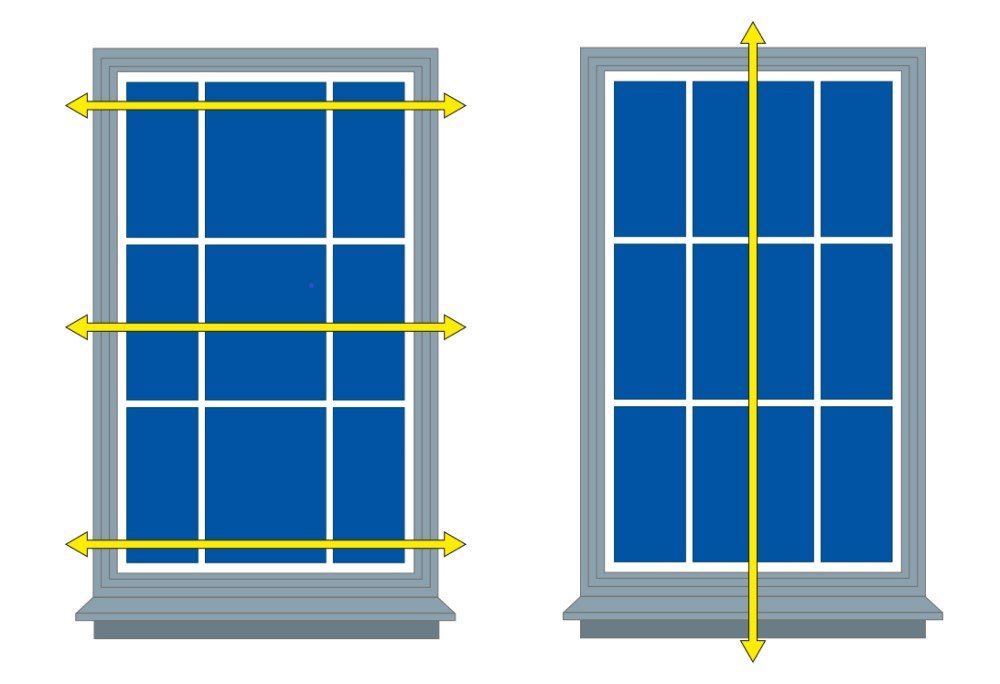
Width Measurement: Measure from one side of the architrave to the other side.
Take measurements from the outer edge of the architraves on each side.
Drop Measurement: Measure from the top of the architrave edge to the bottom of the sill or floor.
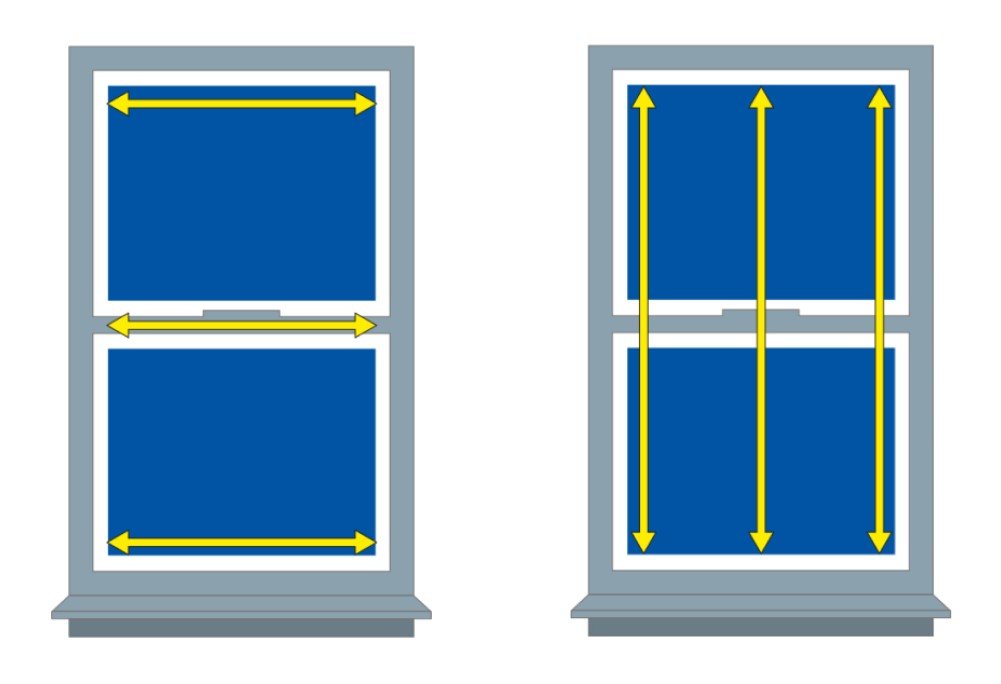
Check for Squareness:
- Width: Measure at 3 points across. Use the narrowest measurement if uneven.
- Drop: Measure at 3 points. Use the shortest measurement if uneven.
How To Clean Blinds And Curtains
How To Clean Curtains
Including curtains in your normal cleaning routine will help you keep on top of things with minimal cost or effort. Just like you vacuum your floors, wash your bed linen and wipe down your bathroom, so too should curtain cleaning with a vacuum or duster become part of your weekly cleaning pattern. When it comes to a big wash, consistent dusting will mean your curtains only need a deep clean once a year!
Read on to learn how to clean curtains of all kinds of materials and styles.
How To Clean Sheer Curtains?
Sheer curtains are fairly durable despite their fragile appearance, but care still needs to be taken when deciding how to clean sheer curtains to avoid any damage.
Dust Removal
- Give them a good shake to quickly freshen them up
- Use a delicate attachment for handheld vacuum
- Avoid powerful suction or rough vacuum heads
Cleaning Linen or Silk Sheer Curtains
Hand wash only – too delicate for washing machine
Fill tub with warm water and mild cleaning agent
Soak for 10 minutes, agitate slightly
Rinse thoroughly in clean water
Gently wring out and use towel method
Line dry in correct hanging shape
Cleaning Polyester Sheer Curtains
Machine washable on delicate setting
Remove all hooks and rings
Wash on delicate cycle with cool water
Use only half full machine
Run multiple rinse cycles
Line dry – no tumble drying
How To Clean Blockout Curtains?
High-quality blockout curtains are a great tool for helping you improve your sleep. Because they are made from thick material, they are tougher than sheer curtains but require careful cleaning to preserve their light-blocking coating.
Regular Maintenance
- Vacuum regularly with brush attachment
- Remove from rod and shake outdoors
- Lay flat and vacuum gently
- Don’t press too hard when vacuuming
Spot Cleaning
For specific stains without damaging coating
Use cleaner for coated fabrics
Dilute according to instructions
Gently blot stain with clean cloth
Remove excess cleaner with damp cloth
Dry completely before rehanging
Machine Washing
Only if care label indicates washable
Check care label first
Remove hooks, use wash bag
Gentle cycle with cool/cold water
Use mild detergent for coated fabrics
Line dry in shade – no dryer
Curtain Rods & Curtain Tracks: Which Do I Need To Hang My Curtains?
How to Choose Curtain Rods or Tracks
Selecting the right curtain rod or track is just as important as choosing the curtains themselves. The right hardware ensures smooth operation, proper support, and enhances your room’s aesthetics. This guide will help you make the best choice for your windows.
Rods vs. Tracks: Key Differences
Curtain Rods
Decorative element that adds style
Stronger support structure
Simple bracket mounting
Fixed opening range
Curtain Tracks
Clean, minimalist look
Can curve around corners
Glides quietly and easily
Requires precise mounting
Key Selection Factors
Curtain Weight
Heavier curtains require stronger rods or tracks with proper support brackets.
Window Type
Consider bay windows, sliding doors, or standard windows when choosing hardware.
Room Style
Modern rooms suit tracks, while traditional rooms often look better with decorative rods.
Operation Frequency
Frequently used curtains need durable, smooth-gliding systems.
Common Rod & Track Types
Standard Decorative Rod
Simple rod with decorative finials, suitable for most curtain types.
Tension Rod
Spring-loaded rod that fits inside window frames without brackets.
Ceiling-mounted Track
Track system mounted directly to ceiling, perfect for floor-to-ceiling curtains.
Bay Window Track
Flexible track that curves to fit bay windows and corner installations.
Installation Guidelines
Measure Correctly
Measure width: Extend 15-30cm beyond window frame on each side for proper coverage.
Measure height: Position rod/track 10-15cm above window frame for optimal appearance.
Choose Proper Brackets
Wall brackets for standard installations.
Ceiling brackets for tracks or heavy curtains.
End brackets for decorative rods.
Consider Finials
Decorative ends that add style to rods.
Choose finials that complement your room decor.
Ensure proper size to prevent curtains from sliding off.
Hardware Selection
Use appropriate screws and wall plugs for your wall type.
Include enough hooks or gliders for smooth operation.
Consider corded systems for hard-to-reach windows.
Quick Reference Table
| Consideration | Curtain Rods | Curtain Tracks |
|---|---|---|
| Aesthetics | Visible, decorative | Hidden, minimal |
| Installation | Easy, DIY-friendly | More complex |
| Flexibility | Limited to straight lines | Can curve around corners |
| Durability | Good for heavy curtains | Excellent for frequent use |
| Cost | $$ (moderate) | $$$ (higher) |
Quick Decision Guide
Choose RODS if:
- You want visible, decorative hardware
- You have traditional room decor
- You need to support heavy curtains
- You prefer easy DIY installation
Choose TRACKS if:
- You prefer hidden, minimal look
- You have bay or corner windows
- You need smooth, quiet operation
- You have modern interior design
